How to Create Content Marketing Strategy For 2019

Content Marketing: Define Content Marketing Strategy

Content marketing fits in a broader integrated marketing strategy and it requires a strategy of its own.

Content marketing is much more than about creating, distributing and sharing content in order to engage with the audience, generate leads or improving branding.
icon marketing content is king

For whatever reasons marketing goals you want to serve, you can do it with content marketing.

To begin with, content marketing is taking in any type of content, whether digitally or physically, and purposefully sending it your audience.

By adding a strategy to this, means that you have thought about your goals, audiences and distribution channels.

Common Question on Creating the Best Content Marketing Strategies

The typical question about content marketing strategy plan will answer the below questions:

  • Who is your audience? There are usually based on market segments and certain types of content will target specific segments.
  • What channels will you use?
  • What metrics will you use to measure the success and ROI?
  • What resources do you have?
  • What pain point you want to solve?

Why Do You Need To Building Content Marketing Strategy?

Yes!  You need to build your own content marketing strategy.

You not only need a proper strategy, but you also need to document it as well.

Those with a documented content marketing strategy:

  • Are far more likely to consider more effective at content marketing.
  • Feel significantly less challenged with every aspect of content marketing.
  • Generally, consider themselves more effective in their use of all content marketing tactics and social media channels.
  • Were able to justify spending a higher percentage of their marketing budget on content marketing.
icon marketing content strategy

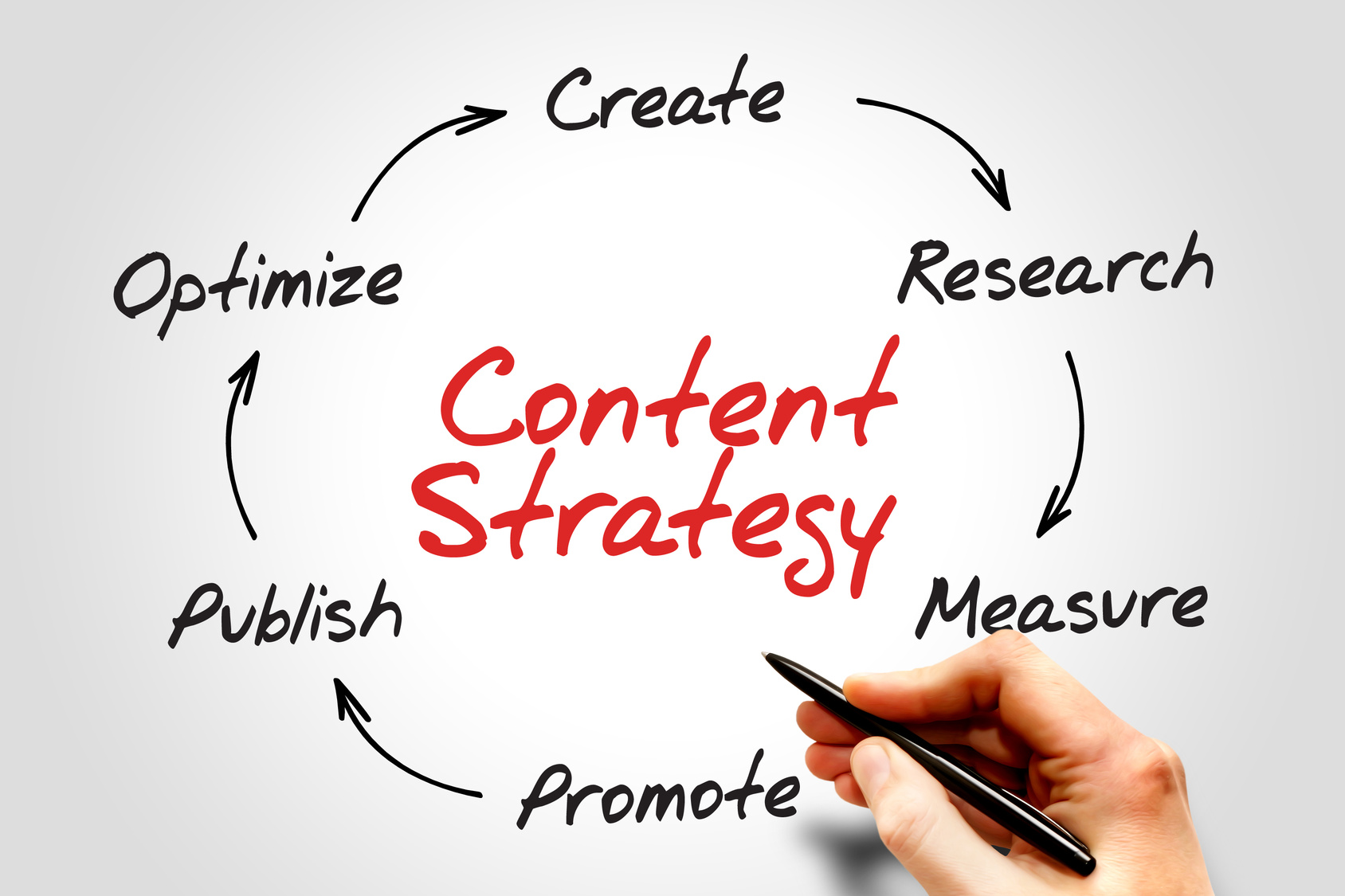
Content Marketing Strategy Framework

For the basic requirement for successful, scalable content marketing operations can be divided into the five core elements.

Here are the 5 core elements in Content Framework:

1. Your Goals and Purpose

The ‘why’- you need to understand the ‘why’ or purpose in reaching your final goal.

Why you are creating such content and what value you expect it to provide.

2. Your target audience.

The ‘who’ – the one category of consumers your content can benefit most and what is in it for them.

3. Your brand story.

The ‘what’ – what specific, unique and valuable idea you will build your content assets around.

This also includes your overarching content mission, as well as the topical areas you will focus on in pursuit of that mission.

4. Your Process.

The ‘how’ – how will you structure and manage your operations, as well as how you will enable, activate and apply specific content tactics in pursuit of your goals.

5. Your Measurement.

The “how much” – how you will gauge your content’s performance, evaluate its business impacts and identify opportunities for improvement.

Types of Content Marketing Strategies

Definitely, there are a variety of options out there for content you can create.

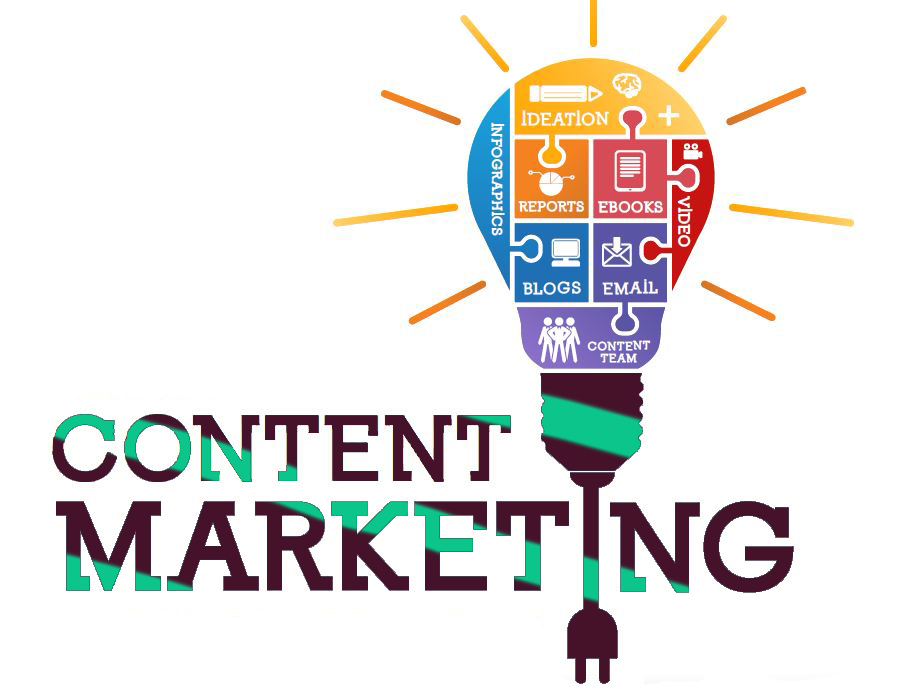
Here are some of the most popular content formats marketers are creating, tools and templates to get you started.

1. Blog Posts

Whether you are noticing or not, you are currently perusing a blog post.

Blog posts on a website should be published regularly in order to attract new visitors.

Your blog posts should be able to provide valuable content for your audience that makes them inclined to share the posts on the social media and across other websites.

The ideal words length for the blog posts would be between 1,000 to 2,000 words.

You could try to experiment to see whether your audience prefers longer or shorter reads, and cater to the major preference.

2. EBooks

EBooks are lead-generation tools which potential customers can download after submitting a lead form about their contact information.

EBook is usually longer, more in-depth, and published less frequently than blog posts, which are written to attract more visitors to the website.

Basically, EBooks are the next step in the inbound marketing process.

For instance, after reading this blog post, you might want more information about it.

This is where calls-to-action (CTA) play its part, by directing the people to a landing page.

Then, you are required to submit the contact information before downloading the EBook to learn more valuable information for the business.

In turn, the business that producing EBook has new leads for the sales team to contact.

It is basically killing two birds with one stone!

3. Social Media

Once you have been regularly publishing content on your own site for a while, you might start thinking about distributing your content on other sites.

This could mean repurposing content into new formats and publishing them on your blog.

You can create original specifically for external sites such as Medium, or publishing website content various social networks.
content marketing social icon

However, posting on social media is pivotal to amplify your brand’s awareness and delivering your content to your customers where you know where they spend their leisure time.

Here are the most popular social networks the businesses often post include:

  • Facebook
  • YouTube
  • Twitter
  • Instagram
  • LinkedIn

4. Videos

For your information, videos are one of the most effective and highly engaging mediums that are shareable across social media platforms and websites alike.

However, the possible drawback of videos is required a huge investment of time and resources then written content, as visual marketing increases in popularity.

Nevertheless, the greatest advantages for videos are it is 40 times likely to get shared on social media than other types of content.

Many research revealed that video is the most preferred form of content.

This is because the video has the ability to capture people’s attention more than any other content format.

5. Infographics

Infographic could organize and visualise data in a more compelling way than the words alone.

As they said, “A picture is worth a thousand words”.

These are the great content formats to use if you are trying to share countless data in a way that is clear and easy to understand.

Others Content Marketing Examples

Here are some content marketing examples from the business for you.

•    Coco-Cola

Coke used personalization to get everybody talking about their brand.

They kicked off their “Share a Coke” campaign in Australia by putting the 150 most common names on bottles.

icon marketing coke

Fundamentally, they are encouraging people to share a Coke with people with those names.

The campaign went viral which resulting in sales of 250 million bottles and cans.

•    Burberry

One of the Burberry’s most outstanding content marketing campaigns was Burberry Kisses.

It is a campaign that blending technology with the human wish to connect with others.

Via an app, the users now could press their lips to the screen and send a digital kiss to anyone.

The campaign also allowed people to use Google Maps and Google Street View to see the journey those digital kisses took.

With this content marketing examples, hope that you are all set to wow your visitors with new, creative and fresh ideas.

Want to know more information about marketing please always visit us, Icon Marketing Strategy
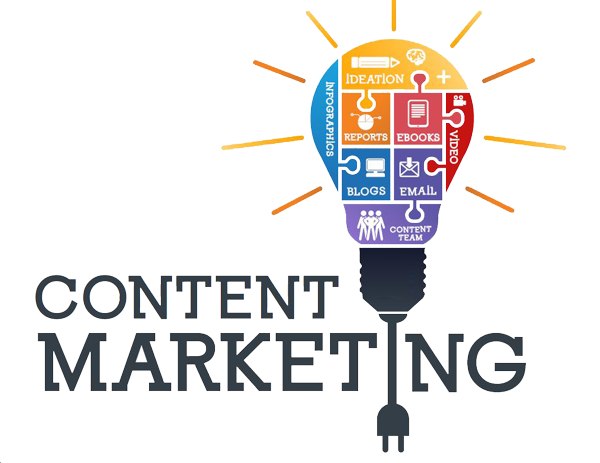
Why Content Marketing Is Much Important More Than You Think

What is Content Strategy?

Content strategy is referred to the management of pretty much tangible media that you create and own.

Whether it is in – written, visual or downloadable, you name it.

icon marketing content strategy

It is the piece of your marketing plan that continuously demonstrates who you are and the expertise that you bring to your industry.

You might have heard how content creation plays a significant role in the growth of the business.

However, as you will see throughout this post, it needs more than this.

It needs to have a well-planned purpose.

What Do Content Marketing Strategies Do?

First of all, let’s outline what content strategist actually does.

So, there won’t any confusion about it.

A content marketing strategist is a person that responsible for planning, developing delivering and finally promoting relevant content based on the user needs and business goals.

However, the exact role of content marketing strategist might vary from company to company.

Some duties of content marketing strategists still remain consistent across every role.

Typically, a content marketing strategist does the following:

  • Develops the content strategy.
  • Determine what kind of content to use, based on the target audience.
  • Promotes the content.
  • Set tone, style and voice for the content.
  • Developing and improving the brand of the content development process.
  • Measures and analyses the key content marketing metrics.

Key Considerations in Developing a Content Marketing Strategy

Before you develop the content strategy, there are several key things to consider:

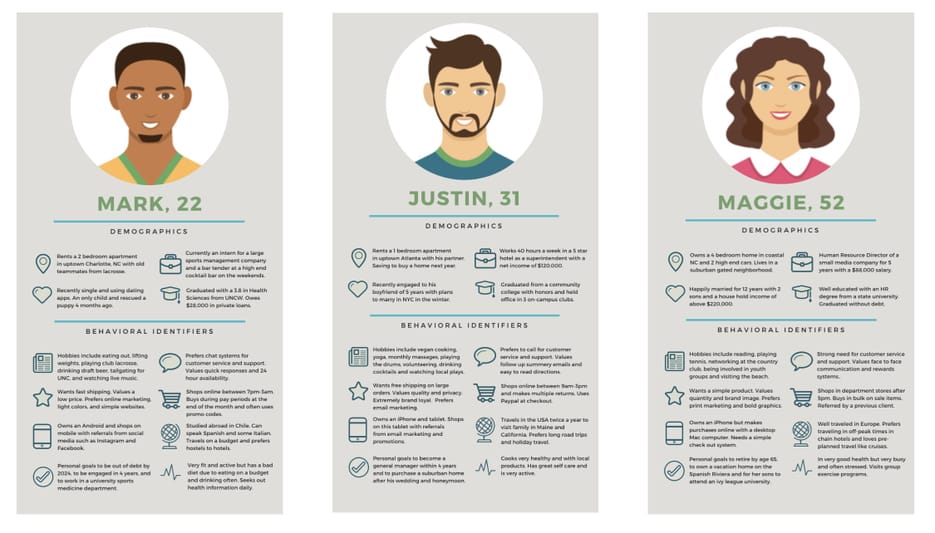
1. Define your target audience

Who is the target audience for this content?

For how many audiences you are creating the content?

And of course, you might have more than one type of customer.

Thus, your content strategy should be able to cater to more than one type of reader or viewer that suit to their needs.

You could use various types of content and channels to deliver different content to each type of audience you have in mind and engage everyone your company does business with.

2. Educational and problem-solving content

Ideally, you should know what are the problems faced by your audience, and help them to solve with your products or services.

By the same token, your content should be educational for the audience to learn about it.

Educate your audience through the content as they will begin to identify and address it.

A sound content strategy should support the people on both sides of your product.

The content should support the people who are still figuring out what their main challenges.

And for those who already are using your product to overcome these challenges.

Reinforce the solutions that you are offering in the content and makes your audiences more qualified users of your products.

3. What Makes You Special and Unique

Obviously, there are possibilities that your competitors are likely to have similar products as yours.

Thus, you need to differentiate your products about your products with your competitors.

icon marketing special

In another word, you potential need customers need to know what makes yours better, or at least, different.

Here you go; this is where the content comes in!

To prove why you are worth buying for, you need to ascertain why you are worth listening to in the first place.

4. Content Formats

What kind of content format you will focus on?

Whether is it an infographic?

Perhaps, it could be videos or blog posts?

As you need to identify the topics that you want to take the position on, you will need to define which formats are best to express that position.

5. Identify Which Channels to Publish

Just as you can create content in different formats, you also need to have different channels that you could publish to.

The channels are including owned properties, such as your website and blog, or maybe social media platforms like Facebook and Twitter.

Why You Need The Best Content Marketing Strategy Framework?

Absolutely, content marketing can help your business to prepare and plan for reliable and cost-effective sources of website traffic and new leads.

Let’s take a moment and think about it.

Just imagine that you could create just one blog post that can get a steady amount of organic traffic.

Then, an embedded link to an eBook or free tool will help you to continue generating leads for you as time goes on.

The reliable source of traffic and leads from your evergreen content will provide you with the flexibility to experiment with other marketing tactics to generate revenue.

For example, you could generate revenue through social media advertising, sponsored content and distributed content.

This will help you to educate your target prospects and generate more awareness for your brand.

How to Create a Content Marketing Strategy

Now, let’s dive in more detail to learn the specifics of how to create a well-planned content marketing strategy.

1. Define Your Goal.

Defining and Understand your original goal is important in setting the roadmap to a successful content marketing strategy.

What is your aim for developing a content marketing plan in future?

Why do you want to develop content and create a content marketing plan?

icon marketing goal

These are questions that you should be questioning about your content marketing strategy plan.

Know your goals before you begin planning.

And then you will have an easier time in determining what the best for your strategy is.

2. Conduct Persona Research.

To develop a successful content marketing plan, you need to clearly define the target audience of your content.

In another word, know your buyer persona.

icon marketing persona

This is especially crucial for those who just starting out or still new to the marketing.

By knowing your target audience, you could produce more relevant and more valuable content that they want to read and convert on.

You have to know that your target may have changed.

Do you want to target a brand new group of people or expand your current target market?

Or do you want to keep the same target audience?

Thus, you have to revisit your audience parameters.

You ought to conduct market research each year as it is a vital factor in growing your audience.

3. Run a Content Audit

Almost all the people will start out with the blog posts.

But, if you want to venture out and try creating other content pieces, you need to consider which ones you want to make.

For instance, if you are doing the weekly blog posts for the past year, creating an eBook that distils all your blog posts into one ultimate guide would be a great way to offer information in a different format.

If you are an experienced marketer, you need to review your content marketing efforts and results from the previous years.

Figuring out what you can do differently in the upcoming year and set new goals to reach.

4. Choose a Content Management System.

Have a system in place where you could be managing your content easily.

Some of the few vital parts of content management are including content creation, content publication and content analytics.

The WordPress website hosted on WO Engine will be the example for the content management system that you could use for your business.

 5. Brainstorm the Ideas

Now, it is the time for you to brainstorming some ideas for your next content project.

Here are some tools to get the wheels turning.

HubSpot’s Blog Ideas Generator

You could save your time and energy in thinking on how to generate some attractive topic with HubSpot’s Blog Ideas Generator.

All you need to do is enter general topics or keywords that you want to write about.

And this content idea generator will do all the work for you.

BuzzSumo

With BuzzSumo, you can discover a ton of popular content and content ideas.

icon marketing buzzsumo

This company offers numerous market research tools, which using social media’s shares to determine whether the piece of content is popular and well-liked.

In addition, this information also can help you to see which content ideas would do well if you were to create content something similar to them.

Want to know more marketing tips? Always visit us, Icon Marketing Strategy 

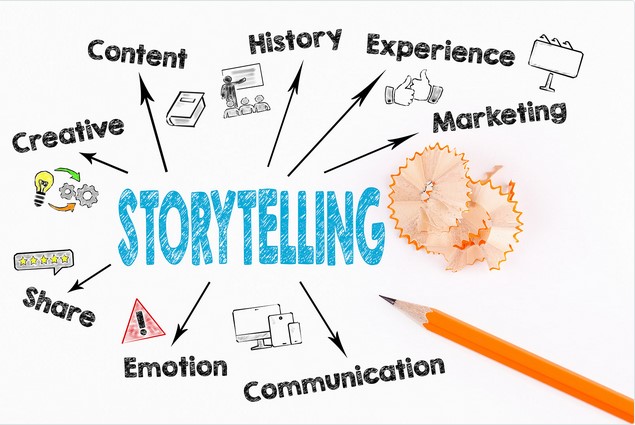
The Power of Storytelling – How to Do Content Marketing Right?

Why does your business need a story?

Everyone loves a great story.

People want to feel connected to a group, to belong.

Stories give you a reason to communicate and relate.

Stories are stimulating and give you something to believe in.

Stories make you feel better, smarter, safer or even loved.

Business storytelling is similar.

It is about creating alignment between your business and prospects and customers.

But telling your brand’s story is more than what you write on your website, your blog, or even social media.

It is your value and your mission, and how you communicate that consistently to your audience – wherever they are.

icon marketing story tell

Thanks to smartphones and tablets, the average adult spends over 20 hours per week with digital media.

Additionally, Google receives over 4 million search queries per minute per 4 minutes.

4 million search queries per minute? Wow!

That is a lot of people looking for the answers.

But, capturing their attention can be difficult.

In just 1 minute…

1388 blog posts are published.

Facebook users share 2.5 million pieces of content.

YouTube users upload 72 hours of new video content.

Twitter users tweet nearly 300,000 times.

Instagram users post nearly 220.000 new photos.

All in this can be done in 1 minute.

Content marketers are constantly battling for the attention of their prospects and customers.

To help ensure that you are heard, you need to be genuine and tell a story that appeals to your audience.

Your goal is to make a human connection.

It is about resonating with people, people that you need your help or guidance.

In the world of business, a story helps you create a contrast between choices.

Stories will help your prospects make sense of the decision that they are about to make.

Whatever it is deciding in a needed product or service or making the purchase,

Chances are you are not the only business that does what you do.

Why Stories Matter For Today’s Business?

To survive in today’s crowded informational marketplace, you need to stand out.

This is where your business story comes in.

Stories can make your prospects the main characters, and even change the way they think and feel.

And storytelling is used in all formats of content.

It is not just used in a lengthy eBook.

You can use storytelling in blogs, email, videos, case studies, guides.

The list goes on and on.

So, what is NOT a story?

A story is not just your history.

A story is why you are doing what you are doing, and telling it in a way that appeals to your audience.

It is also not cliché; it is not what everyone else is saying.

Sure you may think you provide the best customer service within your industry, but that is not your story.

Storytelling is about standing out, not blending in.

Many companies play it safe and use data and ROI to attract customers, which is important.

But logic is rarely is appealing and remembered.

On the other hand, emotion gets remembered.

Emotion gets shared.

And it is not by saying we are the best.

It is more about appealing to the emotional side of your prospects and customers than the logic of what you do.

Stories are how audiences remember.

And to help make your audience remember, you need to stand out by telling a story with the right context.

icon marketing story

Create a contrast by being consistent and authentic and being conversational to elicit emotion from a specific audience.

As a content marketer, use stories to better engage.

The most importantly, teach your audience.

Content Sharing and Storytelling: Why People do Online Content Marketing?

Content sharing is often – the holy grail of many content marketing, social media and online marketing practitioners in general.

Although content sharing is just a part of the whole content marketing process and social media marketing reality.

All marketers would love to see their content shared as far as wide as possible.

It is a topic that had been living in all forms of marketing.

So, here is the question – why do people share the content?

Why do they tell stories? Why do they bother at all?

The answer is – this is because they want to feel emotionally compelled to.

The Psychology of Sharing: How to Use Content Marketing?

Content sharing – it involves emotions, psychology and quite some chemical process that go hand in hand with the act of sharing.

“The sharing of stories or information may be driven in part by arousal” – Psychologist Jonah Berger.

That seems like pretty self-oriented, don’t you think?

People have tried to define all the emotions and motivations of why content and stories get shared for ages.

Each of the emotion got its own label.

So, there are literally hundreds of ways to look at emotions and motivations.

Similarly, we as humans like to label things and people which are to make sense of the world around us.

Thus, we like to label emotions and connect them with the way on how we act, feel, behave and share.

Content, Social, Content Curation and Storytelling

Without all of the content and stories, the world would be a lot less populated and boring.

Everyone needs to have something to talk about, don’t we?

In the end, that also part of what content marketing is all about.

Storytelling is essential for content marketing.

And one of the characteristics of stories is that they tend to get shared.

Yet, storytelling is about much more than content marketing.

Content marketing is closely related and being integrated with nowadays social media marketing.

icon marketing social media

It is also depending on the business goals and context that you want to be delivered.

However, it is clear that the combination of content and social is a strong one.

Sharing is not anything new as humans have always shared the content in one way or another.

We just digest the content, share it and discuss it.

It is a fundamental fuel of communities offline and online.

Why You Need Content Marketing?

Besides, you also could use the storytelling to strengthen your brand.

Without a doubt, storytelling is one of the most powerful ways to breathe life into your brand.

It is often being called as one of the main components of a content marketing approach.

Just by giving your products and services an identity by capturing and sharing the stories, you could take your target audience to a journey that they yearn to experience.

icon marketing branding

In order to establish a personal connection for consumers with your brand, the story should be authentic, creative and inspirational.

Emotional branding is a progressive marketing strategy that has the potential to drive revenue and increase customer retention.

How a person feels about your brand typically determines whether they want to buy your product.

A brand is a matter of perception.

When you try to tell a story that embodies human challenges, you are indirectly creating an experience that resonates with your customers.

To know more information about marketing please always visit us, Icon Marketing Strategy

Why Content Marketing Can Become Your Business Conversion Machine

Content Marketing Strategy Definition

Of course, content marketing has been a popular buzzword for a few years now.

But, what does it really mean?

The best fit to define about content marketing is it describes the creation of relevant, rich and extremely targeted communications with the commercial purpose.

Now, let’s dive deeper about some of the leading trends in content marketing.

The Power of Content Marketing

Content Marketing is Getting Popular than Ever

Yes, it is quite hot about this thing called content marketing.

It is so much more than a medium used for the communication industry to create some buzzword.

For your information, there is 89 per cent of business-to-business (B2B) companies and nearly as many pitching to consumers.

And, yes. Most of them are using content marketing as a tool to advance their brand presence and engage with their audience.

Of course, sometimes when writing a lot could cause a brain drain for you.

Obviously, when you have a tired brain, you are not as mentally sharp.

Thus, many of the companies or businesses try to overcome it by outsourcing their content marketing to the third party.

So, the question is, if everyone is doing it, will be a room there left for you?

The answer is, yes.

As long as you are putting out the content that your targeted audience will be interested in.

Content is about telling, not selling!

To be specific is it more about storytelling.

icon marketing story telling

You must build a story that the other will want to see, hear or read about it.

You don’t want to scare away your target audience with some meaningless story that they don’t interest in.

In another word, avoid creating the content that meets your needs to sell.

Focus on what your targeted audience wants to respond to.

Go Beyond Social Media.

Don’t ever underestimate the influence from the social media.

Therefore, you should never ever give up on Facebook, Instagram, LinkedIn, Twitter and the rest.

Don’t just stop there.

You have to go more up-close and be more personal with your audience and go where not everyone else is going.

You must get your audience to opt-in to your email marketing campaign, where you can control the message.

That means by giving something of perceived value so that that could hang around.

It is not an easy task.

But the reward for successful content marketing could be enormous.

What is Organic Content Marketing?

According to the Marketing Institute, there were approximately 5000 of people advertisement every day.

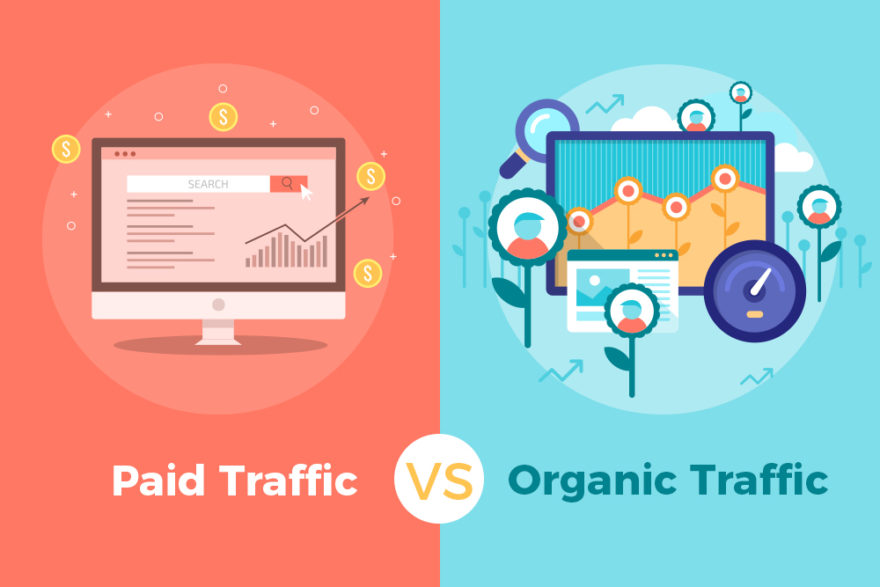
When faced with this kind of competition for an audience’s attention, actually there are two approaches – Paid Marketing and Organic Marketing.

icon marketing piad vs organic

Paid marketing involves allocating a budget to your advertising campaign and paying countless platforms for the promotion.

On the other hand, organic content marketing is more finding ways on how to make customers look for you naturally.

In other words, you will be using any type of marketing method that does not require a direct payment.

But, there still will be incurred cost there.

This also includes paying for content creation and the time spent by monitoring the campaigns as well as responding to customers.

Thus, this type of inbound marketing involves giving valuable content that customers really desired.

Why Content Marketing?

In a simple word, an organic content marketing system is customer-centric, by focusing on giving your customers a seamless online experience.

icon marketing targeted

Therefore, a quality and valuable content are needed to provide the ideal answer to questions and highlight why you have the best solution.

By establishing yourself as a good source of essential content, you will able to build an effective engagement with the customers.

In turn, you are building your brand.

Then again, this type of marketing requires time and tremendous effort, along with a good system which is essential to reap the rewards.

How to Content Marketing?

1. Know Your Platforms

Developing the content marketing system means putting the content in the right places.

It is crucial to have an understanding of the core demographics that your content will reach.

In facts, social media platforms do provide vibrant and instantly high-engaging audiences.

These audiences did comprise a staggering 42 per cent of the world population.

But, not all platforms are equal in terms of their marketing potential.

Just look at Instagram and Snapchat.

These social media platforms are where the younger audience usually is.

The statistic had revealed that there is 59 per cent of 18 to 29-year-old use Instagram.

2. Emphasis on Quality Content

Content is the key to everything in content marketing.

icon marketing golden key

It all about how you are trying to build and engage with the audience.

That’s mean you need to make content that is easy for people to find, solve their problems, able to share with their friends.

And that is how you can establish the source of information that people would want to return again and again.

Furthermore, keywords play as an integral part of any strategy, as they help you to drive your content up to the search rankings.

So, start by establishing the keywords that are relevant to your business, and that you expect customers to search for.

Besides, the keywords may get eyes on your content.

But they probably won’t hold much about viewer’s interest.

You need something that could keep them engaged, but keyword stuffing won’t help you to achieve that.

This is why quality content is essential.

A well-written, well-researched content keeps people reading, as it resonates with them.

There are many ways to enhance the content.

For example, you can arrange or break down the materials into digestible sections.

The using of visually appealing infographics is strongly recommendable as a picture is worth a thousand words.

You also could create the content or videos that express ideas instantly and easy to share across the social media.

And don’t forget the links as well.

By creating a network of related content is important in keeping the viewers engaged with the constant stream of relevant information.

Thus increase the chance they can make the purchase.

Final Thoughts: Why is Content Marketing so important?

By now, you should know why content marketing plays an important role in today’s business.

Content marketing is a potential boon for your business, as it provides the material of info that the online user is searching for,

It may be a slow process that involves a long-term commitment to create or produce high-quality content while constantly interacting with customers through various online platforms.

A few articles for a month definitely are not enough!

If you really want to benefit from potentially over three times as much traffic, you will need to publish at least 16 articles per month.

In addition, if you are handling the campaign in the right manner, there is a chance for you to see sustainable growth in your brand and a deeper level of engagement with your customers.

Nevertheless, this resource-intensive approach may require you to outsource work in order to stay relevant and get the result that needs.

If you want to know more information about marketing please always visit us, Icon Marketing Strategy
Why Long-Term Plan is Crucial for Content Marketing Companies?

Why long-term plan work best for the top content marketing companies?

Why long-term content planning is important to your business?

To start, planning provided a roadmap for your content.

You would not get into a car and drive without an end destination; you did be wasting petrol.

This is probably why 86% of highly effective organizations have someone to steering the direction of their content strategy.

At this point, you should know how important content is to your inbound marketing strategy.

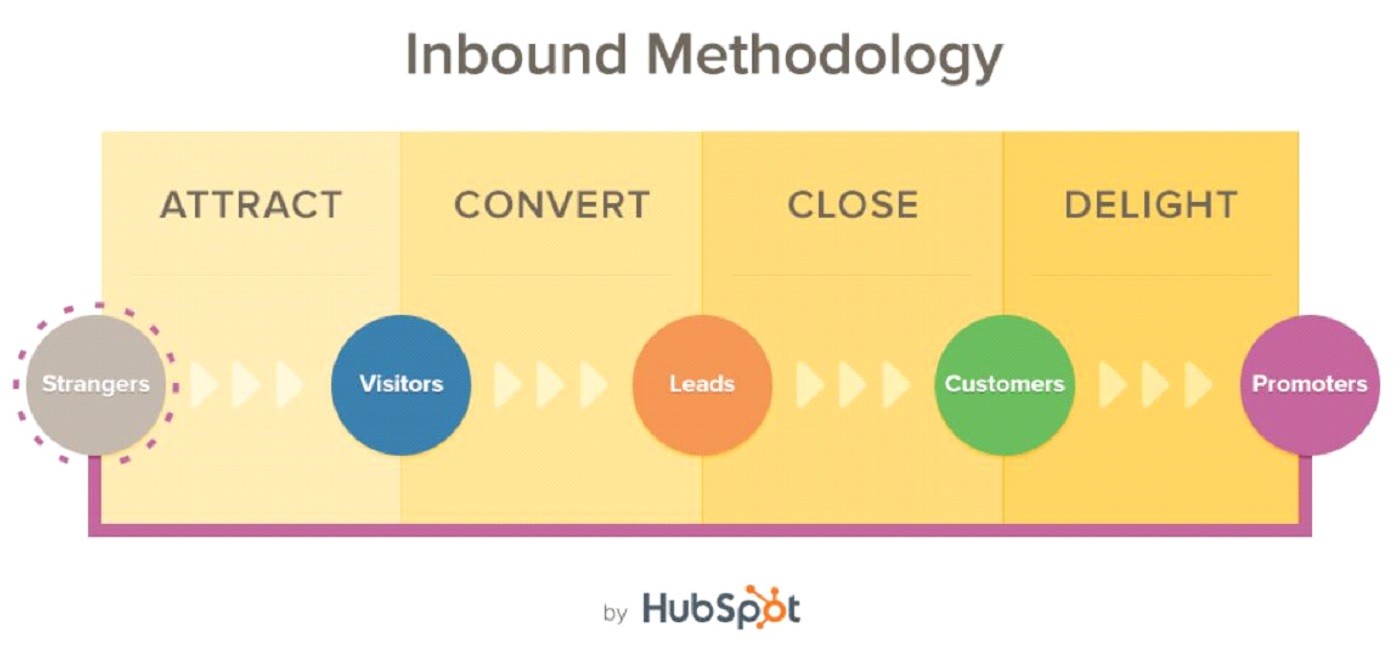
But as a reminder, content has the very important job of pulling people from one stage of the inbound methodology to another.

It plays an integral part in each and every stage of the buyer’s journey.

When it comes to creating content, you want to remain as reactive and agile as you can to do your best to make the most of your time.

Having a plan will give you and your team the ability to remain reactive to upcoming initiatives.

It helps you to stay organised and proactively manage the content required for your marketing tasks.

Think of your long-term content plan like a saving account.

icon marketing investment

If your goal is to retire someday, then you need a plan, and you need to be consistent with the contributions.

The more consistent you are and the better you are with the contributions, the more you will get on your return on investment.

But in order to retire, you need to be consistent month-after-month.

Otherwise, you will miss your goals and the ability to retire.

The same can be said about your content.

If you make a plan and a consistent approach, then you are giving yourself the best chance at achieving ROI from your content efforts.

You will have the opportunity to grow an expansive library of content, making you and your business-content wealthy.

It is important to note that obstacles and roadblocks will come up along the way, but at least you have your goals and direction set.

Having a plan will make it that much easier to regain alignment, as well as understand bandwidth and priorities for what needs to get done and when.

Another reason why you should have a long-term content plan is it helps you to stay organised.

Most often, marketing teams place a focus on more than one initiative at any given time.

A long-term plan accounts for all upcoming initiatives and provides the ability to be agile in your content creation process.

Being organised will also allow you to align with the overall goals of the business.

In essence, it gets the marketing team in-line with the current initiatives of the entire organization,

Content is not just about supporting the marketing team.

It should be about supporting the sales team, customer service team, products and services team and so on.

By aligning your content marketing goals to the overall goals of the organization, you can rest assured that your focus will provide an immediate impact to where it matters most.

For example, attracting and attaining of your audience.

Lastly, the long-term planning allows the ability to tell a story by taking your audience down their buyer’s journey.

Remember, content is the fuel that keeps the inbound methodology running.

Having a relevant approach like this gives you the opportunity to answer your prospects’ questions and meet them at their point of need.

How Do The Best Content Marketing Company Build a Long-Term Content Plan?

Okay, now you know why it is important to have a long-term content plan.

Let’s actually learn how to do it.

Let’s take a moment to revisit the buyer‘s journey, as it has a similar corresponding marketing funnel, which also known as “marketing machine”.

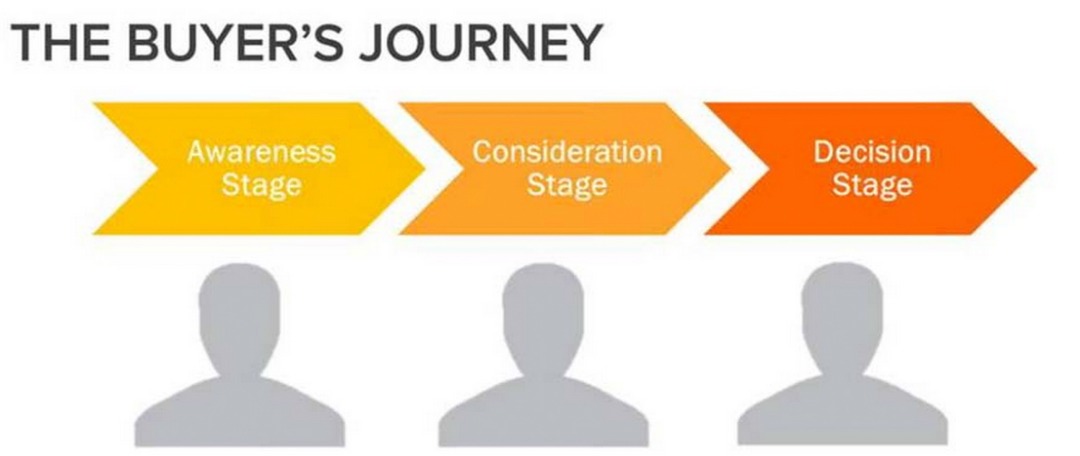
The marketing machine relates each buyer’s journey stage to a corresponding marketing funnel stage – Awareness, Consideration and Decision stage.

icon marketing buyer journey

Firstly, the awareness stage that related to visit and lead.

Secondly, the consideration stage that relates to the marketing qualified lead (MQL) and sales qualifies lead (SQL).

Lastly, the decision stage relates to opportunity and customer.

These funnels are designed to help you visualize and guide a prospect through the stages of the buyer’s journey.

So, you can effectively measure your funnel and provide a tailored message to that prospect at their particular stage during the buyer’s journey.

It is important to understand the relationship between both funnels as they are working towards the same goals.

The goals are attracting your prospects, converting them into leads and closing them into customers.

A marketing machine is not developed overnight.

It takes a lot of time and planning to build it.

This is where long-term content planning comes in.

The Importance of Long-Term Content Plan for Content Marketing Companies

So, what is involved in developing a long-term content plan?

icon marketing business plan

There are 3 steps you must take to create a long-term content plan.

Step 1: Setting marketing goals.

Step 2: Auditing or assessing your organization’s initiatives and assets.

Step 3: Identifying the buyer’s journey for your buyer personas.

The ultimate objective here is to have a unifying document you can use to keep track of your long-term content marketing initiatives.

First, let’s talk about setting your marketing goals.

Setting marketing goals provides you with a long-term vision and short-term motivation.

It helps you to organize your time and resources so you can make the most of your content creation efforts.

Each piece of content created for marketing initiatives should be tied to a goal that is also directly related to the overarching goals of the organization.

This will help you stay laser-focused with the content creation process.

Let’s take a second to think about this.

If your company’s quarterly customer foal is 15 new customers and you know the number of leads needed to generate 15 customers is 50 leads.

If you know the number of website visits needed to generate 50 leads is 1000 visits, then you need to take into consideration the content you needed to hit your visit goal.

Include SMART Goal in Your Plan

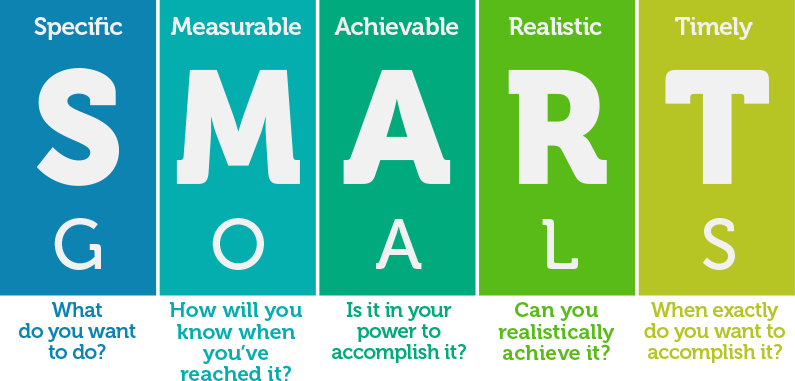
Each of the goals you set should be a SMART goal.

icon marketing smart

That is Specific, Measurable, Attainable, Relevant and Timely.

A potential SMART goal example could be increased quarterly site visit by 30%.

That’s 5000 per quarter to 6000 per quarter by the end of the year.

The second step in creating a long-term content plan is auditing or assessing your organization’s initiatives and assets.

Your audit is going to consist of two parts.

First, auditing your content assets, and second, auditing your event-based priorities.

Let’s begin with the content audit.

Your goal with the content audit is to help you identify all of the marketing assets that you have at your disposal.

And potentially identify gaps or opportunities in your content strategy.

There comes a point for every marketer who has been generating content for a while when they realize they have no idea where all of their content is or how much they actually have.

Content has likely been created by you, your predecessors, or other individuals in the marketing department.

This including subject matter experts from other departments and is scattered just about everywhere.

By doing your content audit, you will be able to identify resources that you already have, which could save your hours of content creation time in the future.

When it comes to documenting a content audit, there should be a place for you to insert all of your assets.

Properly organize them based on the content title, buyer’s journey stage, marketing funnel stage.

You also should include the format or type of content, which buyer persona is targeting, and additional notes that provide value or content.

Now it is time to do some digging for content assets such as guides, worksheets, or sales collateral.

You are recommended to systematically combing through the following dark corners where content can typically be hiding.

It is like that old file manager or marketing folder on your computer.

You can ask your sales team what type of collateral do they use.

Check in with the more tenured employees, you will be surprised at the wealth of knowledge here.

Pore through your customer relationship management system (CRM) and your content management system (CMS) as well.

Now, you might already get the picture here.

Thus, you are a step closer to be more efficient in creating a plan for your company.

To know more understand tips of marketing please always visit us, Icon Marketing Strategy

Discover the Perk of Using Content Marketing for Business [2018]

What is Content Marketing?

To start, what exactly is content marketing?

Content marketing is a strategic marketing and business process that focused on creating and distributing valuable, relevant and consistent content to attract and retain a clearly defined audience and ultimately to drive profitable customer action.

Even though content marketing has grown in popularity in the past ten years with the rise if web 2.0, content marketing is not a new concept.

In fact, one of the first signs of content marketing can be dated back to 4200 B.C, with a cave wall publishing on how to stay protected from wild boars.

The Evolution of Content Marketing for Business

Nowadays, the foundation for content marketing is pretty much the same.

icon marketing content marketing

It is all about your audience, what they value, and how you can help to educate them.

When done correctly, this helps to create a relationship with your audience, which leads to trust.

And if your audience trusts you, then they are willing to do business with you when they are ready to make a purchasing decision.

In order to communicate with your audience, you need to produce content.

Content is the message your content marketing strategy delivers.

It is what you are trying to deliver to your visitors, leads, customers and promoters.

There are a lot of different ways you can deliver a message- blogs, emails, website pages, social media, and print collateral.

But without content, you did have nothing to deliver.

The Importance of Content Marketing for Small Business

Content has the very important job of pulling people from one stage of the inbound methodology to another.

It plays an integral part in the Attract, Close, Convert and Delight stage.

icon marketing inbound

Your content should attract the right people to your site, convert those people into leads, and nurture and help close them into customers.

But it does not stop there, as your content should always delight your customers, turning them into promoters of your brand.

In a nutshell, content marketing is really just the art of communicating with your prospects and customers without having to sell to them.

As opposed to marketing or advertising your products and services, you are creating helpful, entertaining content that your prospects and customers could enjoy and learn from.

If it sounds like inbound marketing and content marketing are similar, that is because they are.

They both focus on empowering potential customers, building a lasting relationship with your audience, and creating valuable content that both entertains and educates them.

But what is the difference between them, and why do you need both?

You should think in terms of “and” not “or” when it comes to the content marketing, inbound marketing relationship.

Success relies on both.

Content may help fuel your inbound engine, but there are similarly valuable inbound projects-like technical SEO, product or service trials, marketing automation, and interactive tools that may exist outside of the scope of a content marketer.

This is where inbound marketing comes in as a valuable counterpart.

If you aren’t opening yourself up to the wide range of inbound practices, then you are limiting the potential of growth and impact you can have as a marketer or marketing leader.

In other words, your inbound plan should be a superset-inclusive of your content assets but not limited to them.

There are implications for organizational structure, roles and responsibilities as well as skills procurement.

Why Do You Need to Develop a Content Marketing Business Model?

If you are just like most marketers, you always begin your content marketing efforts with the best intentions.

You should have some great ideas for content in order to resonate and connected well with the reader.

icon marketing business model

In order to do that, you should have some thoughts about places to promote that content.

You also need to find the resource as well as the time that you will require to develop an effective content marketing plan.

But the problem is that you don’t.

To fully realize the potential content marketing offers, it is crucial for you to have a plan.

It may sound cliché or simple, yet is a step that many content marketers disregarded or overlooked.

For your information, there is 70 per cent of marketers are lacking the consistent or integrated content strategy.

While only 29 per cent of leading marketers systematically reuse and repurpose the content.

The reason is easy – to create such a plan is not easy and daunting.

It requires the skills of content marketers to analyse where their marketing efforts have been and what is the objective to achieve in the future time.

The Value of a Content Marketing Plan

Indeed, the content marketing plan is more than just content.

Why is it so hard for content marketers to create such a strategic plan for their content?

This is because they do not take the strategic approach to the content plan to ensure the message cuts through the clutter and reaches your target audience with the right information at the right time.

The Importance of Having an Effective Content Marketing Business Plan

That goes without saying that having an effective content marketing plan is crucial for the next step that you will take.

Basically, the content marketing plan is your roadmap to a successful content marketing effort.

icon marketing success

To get a good start, an effective strategic plan will clearly define the key elements of your effort,

It will clearly specify and outline clearly on who you will be talking to, what you will say and how you are going to say it, where the content will be promoted, and what is the chance of you will be the success.

By having this type of plan, it keeps everyone who involved in creating and sharing your content on the same page.

This helps to ensure you have sufficient resources to manage all aspect of a successful content campaign.

From writing and posting to sharing and tracking, each of your team members should understand and knows what needs to happen and when should happen.

Furthermore, you have the guide or roadmap that you could share with the others.

Inevitably, this helps to ensure that your content marketing goals are in alignment with and are fully supported for the goals of your organization.

Besides, by sharing the plan also gets other in your organization to buy into the role that content plays in making the organization to the successful path.

This does not just act a support for your efforts, but it also gives you a team of employees who are engaged and willing to share the company’s content.

Thus, by having a clear understanding of the value of your content marketing plan and strategy will provide a good head start for you!

To know more tips of marketing please always visit us, Icon Marketing Strategy
How to Run Effective Email Marketing in Australia

Email Marketing in Australia – What is it?

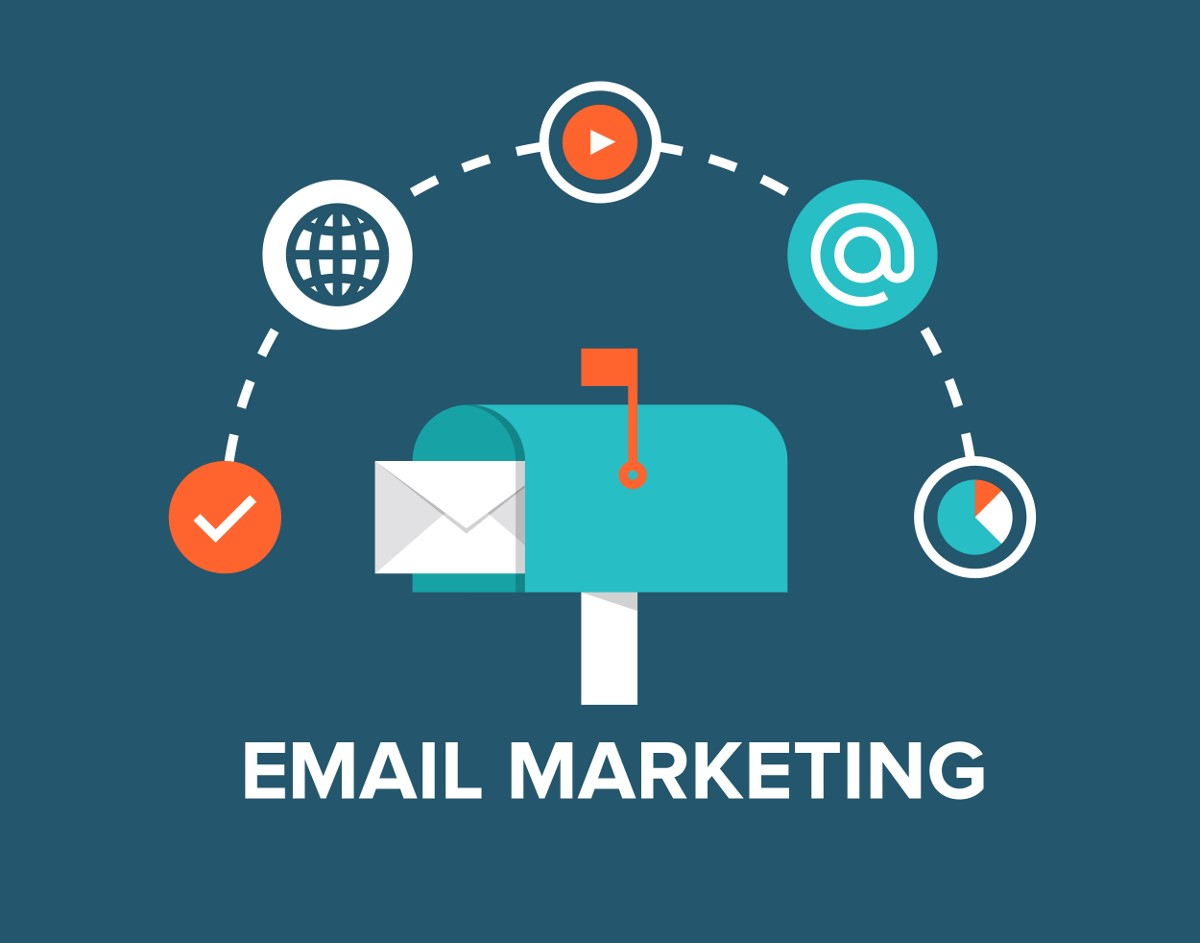
Email marketing is a term you may have heard recently, but exactly what is email marketing?

icon marketing strategy email australia

At its most basic level, email marketing is the use of email to promote your business.

It is commonly used to nurture the relationship with the potential customers, keep the current customers informed and updated on your brand, offer the coupons to encourage customer loyalty, just to name a few.

In shorts, email marketing has become an essential tool for business ever since the introduction of the internet to the world.

Nevertheless, some campaigns that make it through to your inboxes are absolute rubbish if you do not take any notice on it.

This is why every company should fully utilise the benefit of email marketing and learn on how they should go about doing so.

Why Email Marketing is Important for Business?

Email marketing is a direct form of marketing, that similarly to marketing through snail mail.

Email marketing can be used to build trust with the customers over the time and convert them into repeat customers.

As mentioned before, having email marketing in your business is an effective way to keep your customers informed about the promotions or new sales that you are running.

For your information, 28% of Australia online shoppers report subscribing to store or product emails in order to stay informed on the brand they care about.

This showed that people want to stay informed about your brand.

Thus, email marketing is the best platform to stay engaged with the audience.

Why Your Business Need Email Marketing Software in Australia?

There are tons of software and automation tools out there that make email marketing a breeze.

icon marketing australia

For instance, popular software in Australia, Constant Contact and MailChimp can be used to send out emails and monitor how your subscribers interact with your emails.

You could use these email marketing software to track analytic like bounce rates, click-through rates, open rates and conversions.

How to Select the Best Email Marketing Software Australia for Business?

Email marketing, as the name suggests, is the marketing strategy that uses the medium of email to reach out to customers.

In case you wish to do the marketing yourself, you definitely need reliable marketing software that could perform the task instantly and help to fetch your business.

1. Evaluate the Need

There is hundreds of email marketing software that is available and each of them has its own specialization.

Some of the software has the ability and function to get the email address, manage emails and also analyse the responses after a stipulated time period.

It is also up to you to decide whether you need the software that could perform multi-task or a single one.

Thus, you need to cautiously research the features each of the software, and narrow it down.

2. Features

Indeed, the email marketing software is created to give end-to-end marketing solutions to its user.

From the import of contact lists to sending the email, all the tasks should be performed by the software.

The software should be able to detect repeated addresses.

In addition, there is much software that could allow you to tag the address depending on the geographic area.

So, that you could send the emails based on the specific demographic that setting in the software.

Thus, it is advisable for you to carefully evaluate your feature related- needs before zeroing-in on any software.

3. Cost

Although all the other factors matter, it eventually boils down to the cost.

When you just started up your business, the fund allocation for the marketing campaign will be limited.

As a result, it is necessary to reconsider the cost-effectiveness of the software before purchasing it.

4. Ease of Use

When it comes to software, you need to choose that will be used by many employees of your organization.

Let’s say the software used required the expert needs, it is the likelihood of being used will reduce as well.

Hence, the ease of using the software plays a crucial role in choosing the software.it has to be user-friendly.

It should have a simpler user interface while providing an easy troubleshooting or help option.

5. Integrating with social media

Obviously, social media is the latest hangout place, and often potential customers are discovered through this platform.

So, it would be wise to tap this sector for marketing purposes.

There is a plethora of software available in the market which can integrate the emails with social media like Facebook, Google+, and Twitter.

icon marketing email social media

This integration will enable you to fetch and outreach more customers due to the large user base of social media website.

What Do You Need To Know About Email Marketing Law Australia?

Australian Spam Act 2003

According to the Australian Spam Act 2003, it is illegal to send unsolicited emails in Australia.

Everyone knows that spam us a nuisance because it is pointless.

This is why many countries including Australia had implemented the legislation in the last decade to crack down on unsolicited marketing emails.

Well, the good news is that there are numbers of unsolicited messages have dropped considerably.

But, the bad news is that your marketing might be breaking the law without even realising it.

If you are using a service like MailChimp, and receiver a lot of subscribers and spam notices, they have the permission to shut down your account.

How Email Marketing Companies in Australia Comply With The Law?

To help you stay on top of the law, which you might have forgotten about, these are the 3 main requirements that you must adhere to:

  1. The recipient of your message must give consent to receive emails from you.
  2. You must provide identification of your business contact details.
  3. You must provide a working unsubscribe link.

1. Get Permission Before You Send

Spam, by definition, is the unsolicited message.

Thus, your first step is to overcome the word “unsolicited”.

In a simple term, you ought to get the consent from your recipients.

icon marketing approve

Under the Spam Act, there are certain organisations are allowed to send messages without the consent from the recipient.

So, unless you are from the government body, a political party or registered charity, you have to let your prospect to agree to receive the advertising from you.

2. Make Yourself Known

Next, your marketing emails should clearly state or show who you are, and how your recipient can contact you.

The recipient has the power to lodge complaints if they can’t work out who has sent them the message.

When identifying yourself in your marketing emails, consider whether the recipient sees these details:

  • In the email’s “From” field.
  • In the subject line.
  • In the body of the email.

Any of one of these options is considered sufficient, but a good marketing practice suggests that if you are transacting legitimately, you should not be hiding your identity in the first place.

3. Provide a Way Out

When it comes to business, no one ever wants to lose the prospects.

However, in the world of email, it is mandatory that every email you send should include details of how to opt-out.

It does not matter whether the unsubscribe process is done manually or automatically, as long as it exists and clearly defined in every commercial email.

The options are included:

  • One-click unsubscribe link.
  • A link to form allowing users to change their email preferences.
  • A manual instruction such as “reply to this email with unsubscribe” in the subject line.

Whichever method you use, the Australian Spam Act will give you 5 days to action the request.

Want to know more email marketing act at others country? Visit here to read more.

To know more information about marketing tips please always visit us, Icon Marketing Strategy

Ultimate Guide: Understanding the Canada Email Marketing Laws

That goes without saying that email is one of the most effective marketing channels that available today.

What the best things about email marketing are it is incredibly quick and easy to get started.

The today’s email marketing tools even make it simpler and much enjoyable for the marketer of all level to create a campaign, upload a list and sending it out.

Before you started to jump into and sending campaigns, it is a worth of getting a basic understanding of the law about email marketing.

icon marketing law

This is just a precaution step that you need to be taken to ensure your campaigns aren’t breaking any of the laws and regulations.

In this guide, you will understand the email marketing law and outline the things that you need to do to ensure your email marketing initiatives remain on the right side.

What Are the Laws Around Canada Email Marketing?

There are a number of different laws that guide the usage of email marketing for commercial purposes.

In Canada, it is called CASL laws which stand for Canadian Anti-Spam Law (CASL).

All of these laws are intended to dictate a number of conditions that email marketer need to follow to avoid any significant fines if violated.

It may have sounded a little bit scary. You don’t have to worry if you already complying with the rules.

But as long as you are a legitimate business that using proper email marketing tools to send legitimate email campaigns, then everything will be fine.

This is because the law is largely targeted at the spammers.

It is designed to prevent them from illegally acquiring other people’s email addresses and spamming them with unsolicited emails.

icon marketing spam

That’s being said, there might be a few little nuances in the laws that even marketers with the best intentions can accidentally violate.

So, it is worthy understand and reading on how you can be compliant to the Canada Email Marketing laws.

Canadian Email Marketing Software – MailChimp

MailChimp, one of the popular software used in Canada, which is a marketing automation platform and email marketing service.

MailChimp will help you to manage your email database and marketing in a single platform.

Wants to know more info about email marketing software? You can always visit our website to know more.

icon marketing mail

MailChimp Term of Use

In many cases, the term of use of Mailchimp seems to be stricter than what outlined in CASL.

This is particularly true regarding the third-parties and implied consent.

As a rule of thumb, you need to have a written permission from every subscriber.

You are not only required to stick with the Mailchimp policies, but you also need to improve your campaign deliverability and subscriber engagement.

Here are some of the Mailchimp’s terms that differ from CASL.

  • Customers are required to make a purchase within the last 12 months. Inquires without a purchase does not count as permission.
  • Family members and friends still need to provide the written permission.
  • Any non-profit organizations, political groups or courts still need to secure written permission from the recipient.
  • Referrals and published email addresses are considered as a third-party. Therefore, it is not allowed.
  • Oral agreement to receive messages does not qualify as permission.

Additional Requirements:

In addition to understanding what qualifies as CASL – regulated message, and what type of consent is needed, there are a few other details to keep in mind.

  • You must retain a record of consent confirmation. Checkboxes cannot be pre-filled to suggest consent when requesting consent.
  • Each subscriber must check the box themselves for consent to be valid.
  • All messages sent must include being included in your name, the person on whose behalf you are sending (if any), your physical mailing address and your telephone number, email address or website URL.
  • All messages sent after consent must also include an unsubscribe mechanism, and unsubscribes must be processed within 10 days.

How to Comply The Canada Email Marketing Laws?

Rather than go into the full details of each country’s laws, we reviewed them all and compiled a simple list.

Thus, marketers like you can do to ensure your campaigns are compliant with all the laws across the globe.

  1. Ensure you have the permission to the people permission

Most of the country’s email marketing laws stipulate that people need to give your permission to email them in order for you to send them the campaigns.

The definition of permission in a little loose and varies between each country’s laws, but generally, there are two types of permission – implied permission and express permission.

Implied permission covers anybody who you have an existing business relationship with.

This could your current customer, donate to your charity, or are an active member of your website, community or club.

If you don’t have implied permission to email a person, then you will need to express permission.

Express permission is granted when someone specifically granted you permission to send them email campaigns.

Let’s take for an example. When people visit your blog, you should include pop-up notification to encourage them to subscribe to their email list in order to get instant access to the information on the sites.

By entering their email address in the box, people are giving an express permission to email them.

  1. Don’t use the misleading header of information

Header information is referred to the extra information sent along with your email campaigns, such as name, subject line and reply-to-address.

According to the email marketing laws of Canada, you must not include inappropriate and misleading information in these fields that intend to try to fraud people into opening your email campaigns.

icon marketing download

The main key here is just avoided having any fraud intention that purposely to deceive your recipients.

However, arousing curiosity or getting creative with your subject line is perfectly fine!

As long as you don’t purposely try to deceive or trick your recipients, then you are safe!

  1. Include your address

Most country’s email marketing laws stipulate that you must clearly include a valid postal address for your business in your email campaigns.

This could be your current street address, a post-box address or an address with a registered commercial mail-receiving company.

What You Need to Know More about Email Marketing Service Canada

By following the tips mentioned before, the majority of marketers can rest assured of their emails which compliant with the global anti-spam laws.

You are responsible even if you are not sending campaigns yourself!

Based on Canada email marketing law, even if you are outsourcing your email marketing efforts to a third-party, you still hold the responsibility for that.

So, if you do outsource the creation and sending of your campaigns, remember to make sure to review them before sending and check the above tips.

Canada email marketing laws are looser for transactional emails

Most of the anti-spam laws around the world are created to guide the sending of commercial email marketing messages.

This also applies to any sort of newsletters, marketing announcements or promotional campaigns your business might be sending.

However, there is an exemption when it comes to transactional emails.

These specific emails are exempted from the anti-spam rules which you are required to provide the information about an existing purchase or membership.

To know more information about marketing please always visit us, Icon Marketing Strategy .

Email Marketing: Amazing Tools for Email Marketing UK [2018 update]

What You Need to Know About Email Marketing Services in UK

Email marketing might seem like an old hat compared to another raft of shiny, new social media marketing tools.

But the personal touch of gliding into someone’s inbox makes email marketing an enduring and useful tool in the arsenal of any enterprise.

Email marketing also plays an integral and significant part of your wider marketing campaigns.

icon marketing email uk

By having the right tools to carry out the jobs to create tailored communication for your customers or prospects is essential for any kind of business.

Some of the email marketing software could simply allow you to send out the campaigns to pre-determined or imported lists.

While others integrating a full customer –relationship management (CRM) platforms, this will allow you to track back the entire relationship and sales funnel.

Which of these you can decide to use depends on your business needs and budget.

It is a relatively inexpensive tool that could bring a weighty return.

Based on 2018 survey, the report found that the email receives a 30 to 1 return on investment averagely.

It is no doubt that a plethora of the organisation’s surveys rated email marketing as “important” or “necessary” tool to their organisation.

With the sophisticated spam filters on the most mailboxes these days, the days of popping up in someone’s inbox uninvited seem to be over.

Therefore, it is crucial to up to your game when it comes to the email.

To know more what is the definition of email marketing in UK please visit us!

The biggest lies in email marketing platforms in the UK

You will often hear about people saying thoughtlessly about email marketing which:

1.    The day of email marketing is over

2.    Your email marketing software does not matter

icon marketing lie

First and foremost, email marketing is not dead, yet.

No matter what is the people said about email marketing, email marketing still is thriving and it is integral in making money online.

Secondly, your email marketing software – the platform you use to email from, it really does matter!

The term “just simply pick one and run with” does not work anymore.

This is why you need to find and know what works the best for you, according to the business needs.

One that does the things that you really need, the one that could give you a great comfort and control over your email marketing list.

This is because without having all of that, you are just setting yourself up to fail.

You will just be wasting your precious time and effort emailing people in a way that you should not have.

Why it is necessary to have appropriate email marketing software UK?

As mentioned before, there will be a lot of untrue grapevine on the internet that said email marketing is dead.

icon marketing email marketing dead

In fact, email marketing is as alive and well as ever. In addition, it is still an essential tool and software for you to earn money online.

Benefits of email marketing software UK

1. Have unlimited access

This is definitely one of the best benefits you could get from email marketing software – better engagement.

You could get in touch with your customers at any time of the day, from anywhere in the world, in just a few clicks.

2. Building relationships

Whether you are a solo blogger or a big-time business, you can humanise yourself by sending personalised, valuable emails to your audience.

3. More traffic

Having an email list means more people know about and come to your site.

This is because when you email them to let them know; they will come flocking in big numbers.

What to consider in choosing the best email marketing software in UK?

As with choosing any new marketing software, there are plenty of things to consider before taking the plunge.

Whether or not you choose to use email marketing as a major part of your business strategy is based on your objectives.

Are you trying to gain sign-ups for an event? Are you seeking to gain traction with a new product? Or you are just looking to improve your audience?

icon marketing consider

Then, email marketing should be a great solution that you have been looking for your business.

Apparently, email marketing offers businesses numerous advantages, the most noticeable benefits are providing better customer engagement and user data.

Email marketing also enables businesses to provide personalised content, give a real-time message response and segment user and customer database information.

This enables you to hit them with the right offer of email at the right time.

This is particularly important in retail as email campaigns can be linked with automated responses following a sign-up or purchase.

When it comes to business, you should think about what to email out.

Some of the business might opt for newsletter, invitation emails and surveys.

Some marketer who doing business-to-business, prefer platforms with advanced transactional email capabilities.

A good email marketing platform should provide automation, social media integration, content management and detailed analytics.

To understand more how email marketing software helps small business.

The best email marketing providers UK

1. MailChimp

MailChimp, while aimed at small-medium business, is one of the very popular mailing service providers in the United Kingdom.

It offers a “free-forever” package that allows its users to send email up to 2000 subscribers and up to 12000 emails per month, as well as packages for the larger organization.

icon marketing mail chimp

MailChimp users will able to receive the data insight reports, customisable built “sign-up” forms.

It also has a large number for template gallery with a drag and drops email editor attached.

Key Features:

  • Drag and drop designer
  • E-commerce integrations
  • Marketing automation
  • Full reporting
  • Social media integration

2. Active Campaign

While offering a platform especially for small business, Active Campaign also provides enterprise-level email marketing software.

This platform offers a customer campaign designer, automation design consultation with a dedicated account rep.

icon marketing active campaign

Active Campaign definitely is user-friendly that is really easy to use, an auto-responder, scheduled email campaigns, automated workflows and one-time emails.

Key Features:

  • Unlimited apps and integrations
  • Unlimited email testing
  • Unlimited users with custom permissions
  • Social data for individual contacts

3. Drip

Drip is an email marketing platform optimised for bloggers, e-commerce sites and marketers.

Drip has a range of tools that are available including integration add-ons with WooCommerce and WordPress.

Thus, you can easily embed “sign-up” boxes on different web pages.

It also offers sophisticated marketing automation tools namely email segmentation that lets you refine your audience.

You could get started with Drip for free, on a package that includes up to 100 subscribers.

Key Features:

  • Easy marketing tool integration
  • Visual email builder
  • E-commerce data tracking
  • Apply custom tags, fields, and event

If you want to know more marketing tips, please visit us Icon Marketing Strategy to know more!

The Definitive Guide: Timing Is Everything in Email Marketing UK

Why Sending The Right Email is Important in Email Marketing UK

Sending the right email to the right person at the right time is discussed frequently in email marketing.

It is a major theme because why would not we want to send the right email to the right person at the right time?

When you send the right email, you have a better chance of converting your leads into the customer.

icon marketing email marketing uk

This is because you are sending the most contextual message which allows you to deliver that message to the right person at the right time that will provide the most value to them.

In turn, this will help you to develop your relationship with them, build trust and continually delight them.

At its core, sending great email is about being human and helpful.

But it is not always easy to send the right email every time you press send because not all your leads and customers are the same.

Some leads are ready to buy, and others are still looking around.

And the same goes for your customers: you might have active customers and dormant ones, old customers and new customers.

With all of these contacts at different stages of the buyer’s journey and in different conversations with you, it is not always easy to send the right email every single time you hit send.

To send the right email, you need to understand the two things

First, why is sending that email or your goal.

And second, the value you are delivering to the person on the other end of the send.

With these two as your foundation, you are setting the right expectations with those receiving your email by setting an appropriate and contextual goal.

Then you just need to pair that with information that will provide the most value.

The Inbound of Email Marketing Services UK

Take a second to think about the core values of inbound marketing.

Inbound marketing is focused on attracting customers through relevant and helpful content and adding value at every stage in your customer’s buying journey.

Furthermore, the buyer’s journey that maps out the three stages in which a contact goes through awareness, consideration and decision.

icon marketing buyer journey

Each stage helping them moves toward a purchase or goal.

Now let’s focus in on: “adding value at every stage of your customer’s buying journey.”

This is the piece where your email marketing can have the most impact and where sending the right email is so important.

Think about this morning when you just opened your mail inbox.

Consider the messages that were waiting for replies.

I will guess there were emails in there you didn’t read and sent right over to your trash. And that’s ok!

But when we think about our own emails getting sent to the trash, it can be upsetting.

To grow your email marketing efforts as well as your business, you need to get into the inbox and engage with your contacts.

To avoid the trash bin, you want to send emails that provide real value to your leads and customers.

By doing so, you are being helpful and human with your email sends as well as creating great conversations with your leads and customers.

This is the importance of sending the right email to the right person at the right time every single time.

How Email Marketing Companies UK Can Be More Effective

When you are trying to send the right email to the right person at the right time, there can seem to be a lot of moving pieces to consider.

So, let’s break down how you can grow your business by sending the right email.

To send the right email, you need to focus on three key components: first, the right email, which is the content you are providing in that email.

Second, the right person, which comes down to how you segment your contacts,

And third, the right time and thus the timeliness in which you are reaching out to those contacts.

Each of these components works off another.

icon marketing effective

Using these components you can feel confident that your email is going to be providing valuable content, to the right person who is using that content and delivered at the time that it will be most impactful.

Let’s examine each of these components and how they can support you and your business in sending human and helpful emails.

First, is creating the right email.

This is an important piece of the framework because it comes down to the content that you are sending.

Inbound is all about the happy marriage between context and content.

You need to treat your contacts as the humans they are, humans with needs desires and goals, and you do this through bringing context together with the content that you send them.

Take a moment and think about an email you received where the content didn’t align with the subject or the context in which you thought you were receiving it?

It is a pretty jarring experience that can leave you with a lack of trust for the person who sent it to you.

On the other side, think about the last time you were sent an email that served the right content that only was exciting but also contextual.

Take for example, when you take a specific action on a website around a certain topic and an email is triggered to you that follow up with additional educational content around that topic.

The content relates to what you are looking for with the right context.

Sending the right email is about delivering the right contextual message to those who are reading it.

This is how you will develop trust as well as an effective email marketing strategy.

This brings us to the second part of the framework: sending to the right person.

The way that you can send to the right person is through segmentation.

To review, segmentation is to act of dividing your contacts into smaller groups based on similarities.

Segmenting you contacts helps you to tailor the message to be more relevant and engaging to the people receiving the email.

For example, a few segments of most businesses will have been around lifecycle stages.

Specifically segments for your subscribers, leads and customers. These segments are going to be extremely important.

They are valuable because you are not just sending your emails to your leads but to your leads but to your existing customers.

Content, just like in the stages of the buyer’s journey, will change based on the contact’s lifecycle stage.

Your segments are the building blocks for all of your email sends.

They provide the information you need to send relevant and timely content.

If you are using a contact database that stores all of the information on your contacts and allows you to track their activity, you can easily pair the right segments with the right content to send out at the right time.

Last is timing. It is an important step to send the right email at the right time.

Most of our lives, we have been told that “timing is everything”. And when it comes to email, it is true!

icon marketing timing

Timing is what will power your emails.

It will power your emails because you can send the right email to the right person but if it is not delivered at the right time, it will not be as impactful.

When you look at the timing if your emails, you can see the connection between the content and timing.

To send a perfectly timed email, you will need to take into consideration where your contacts are in the buyer’s journey and pair the right content with that stage.

Different content will appeal to different buyers at different stages of the buying process.

For example, someone in the awareness stage of the buying process will be looking for more educational content versus someone in the decision stage is looking for more information on making a purchase or speaking with sales.

By connecting the content with the different stages of the buyer’s journey means focusing on relevancy.

You need to be able to answer the questions:

When will this contact see value from this email?

Will they able to do something with it right now?

Is this information relevant to their needs or goals?

Let’s think about it this way.

You know your contacts are at different stages of the buyer’s journey and you need to pair relevant content based on the timing of the different stages.

In addition, you will need to be able to look at the tight time during a day, week, or month to deliver relevant content to your contacts.

So how do these pair together?

With the information you have regarding the buyers’ journey stages of your contacts you also want to consider their user activity.

Their activity will help you determine when the content should be delivered.

Through send time personalization you can deliver the relevant content also at the right time.

Send time personalization uses the data you have on each of your contacts.

icon marketing personal

Such as when they open, click, and convert, and schedules your emails to send when your contacts are most likely to engage with your email.

Relevant content plus an ideal time period equals sending at the right time.

Using the buyer’s journey, you can map out the relevant content to deliver and using send time personalization, you could send at the right time.

The Right Timing is Everything in Email Marketing UK

Another important aspect of sending the right email is understood when not to send the email.

An inbound professional, you know that email is an important piece of your inbound strategy, but a great email marketer recognizes when not to send an email.

You don’t want to be sending customers offers that are relevant only to your leads and you need to be able to suppress those contacts from your email sends.

At a minimum, the content won’t be relevant to them, and at worst you might lose trust or make your company seem out of touch with their needs.

Your customers don’t have any need for emails promoting free trials or product demos, so you need to make sure you are not sending those emails to them.

It might seem obvious that to communicate effectively with your customers you need to mark them as customers in your system, but it really is an important piece to sending great emails.

To send the right email to the right person at the right time you will need to find the right content and the relevant time to send.

And when you do this, you are going to be able to send a great email that nurtures your contacts into happy customers and helps you grow your business.

Icon Marketing Strategy can always provide the most useful and relevant tips of marketing! Please always visit us if you need more marketing tips.